
Banana Foutou: A Culinary Heritage and a Symbol of Sharing in Africa
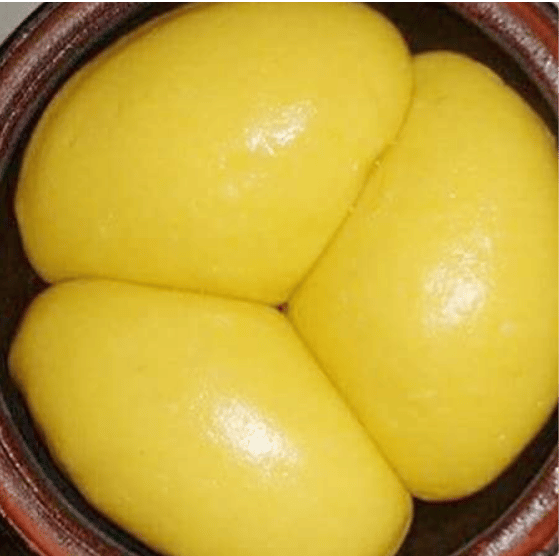
Banana foutou comes from Côte d’Ivoire, where it is rooted in the cooking of the Akan and Baoulé peoples: plantains and cassava, boiled then pounded, served with palm nut sauce, peanut sauce or light soup (sauce claire).
African cuisine is not only about nourishing the body. It tells a story, passes on an identity and carries values of solidarity and conviviality. Among the most emblematic dishes of West Africa, banana foutou holds a place of honor. This ancestral Ivorian dish, made with plantains and cassava, is much more than a simple meal: it is a symbol of unity, tradition and collective memory.
The Origins of Foutou Banane
Foutou has its roots in the ancestral culinary practices of the Akan and Baoulé peoples of Côte d’Ivoire. Back then, no ingredient was chosen at random:
- Cassava, introduced in the 17th century following contact with South America, became an essential staple of Ivorian meals.
- Plantain, grown in West Africa for centuries, embodies energy and vitality.
Combining these two ingredients gave birth to a dish with a soft, elastic texture, ideal for pairing with richly flavored sauces such as palm nut sauce, peanut sauce or light soup (sauce claire).
In traditional culture, foutou banane was often served at major ceremonies: weddings, harvest festivals or community gatherings. It symbolized generosity and abundance.
A Ritual More Than a Recipe
Making foutou is no small matter. It is a whole collective ritual:
- The plantains and cassava are boiled.
- They are then pounded vigorously in a large wooden mortar, with a pestle kept in rhythm by a song or a melody.
- The result: a smooth, even ball that is eaten by hand, sharing the same dish.
This rhythmic pounding is not only culinary, it is also social: it brings people together, creates bonds and passes on know-how from generation to generation.
Foutou Banane Today
Even today, foutou banane is a must on Ivorian and African tables. In the villages, it keeps its ritual dimension, while in the cities it has adapted to modern lifestyles: some people use blenders to lighten the work of the pestle.
Yet its spirit remains intact: a dish that unites families, recalls origins and celebrates the richness of African traditions.
Why Foutou Banane Inspires Us
In a fast-moving world, foutou banane reminds us of the importance of slowing down and sharing. It teaches us that food is much more than a biological need: it is a living memory, an art of living and an identity to pass on with pride.
Eating this dish means traveling through time, reconnecting with our ancestors and honoring a heritage that makes the heart of Africa beat.
In conclusion — foutou banane is not just an Ivorian dish, it is a culinary heritage that tells the story of a people and illustrates the strength of African traditions. With every bite, centuries of culture, transmission and conviviality live on.